If you have ever wondered why homes in Cave Creek feel so different from much of the Phoenix area, the answer is not just the views. It is the way the town protects open land, respects the Sonoran Desert, and supports a slower, more outdoors-oriented lifestyle. If you are exploring the area, understanding these details can help you see what truly sets Cave Creek apart. Let’s dive in.
Cave Creek homes start with the land
One of the biggest reasons Cave Creek’s desert homes stand out is the land itself. The town’s residential pattern is shaped by Desert Rural zoning, which is designed to protect scenic vistas, natural habitat, hillsides, and washes. That planning approach creates a very different feel from a typical suburban neighborhood.
In many Desert Rural areas, minimum lot sizes range from 43,000 to 190,000 square feet, and lot coverage is limited to 10% to 15%, depending on the district. According to the Town of Cave Creek residential zoning code, the town also requires a 12-foot natural undisturbed edge along parcel lines and native revegetation after grading in these zones.
For you as a buyer, that often translates to more breathing room, wider views, and a stronger sense of privacy. The town also notes in its notice to prospective property owners that much of Cave Creek includes open space, rural roads, and larger residential parcels. Current town materials describe Cave Creek as roughly 38 square miles with about 5,200 residents and average residential lot sizes of 2-plus acres.
Larger lots shape the home style
Because homes are often built on larger parcels, many properties in Cave Creek feel custom and site-specific. Instead of repeating one subdivision template over and over, the town’s land pattern encourages homes that respond to topography, desert vegetation, and mountain views.
That is part of why Cave Creek can feel more private and more connected to the landscape. Homes are often positioned to take advantage of natural surroundings rather than crowding lot lines. The result is a setting where the land plays just as important a role as the house itself.
Architecture feels custom, not cookie-cutter
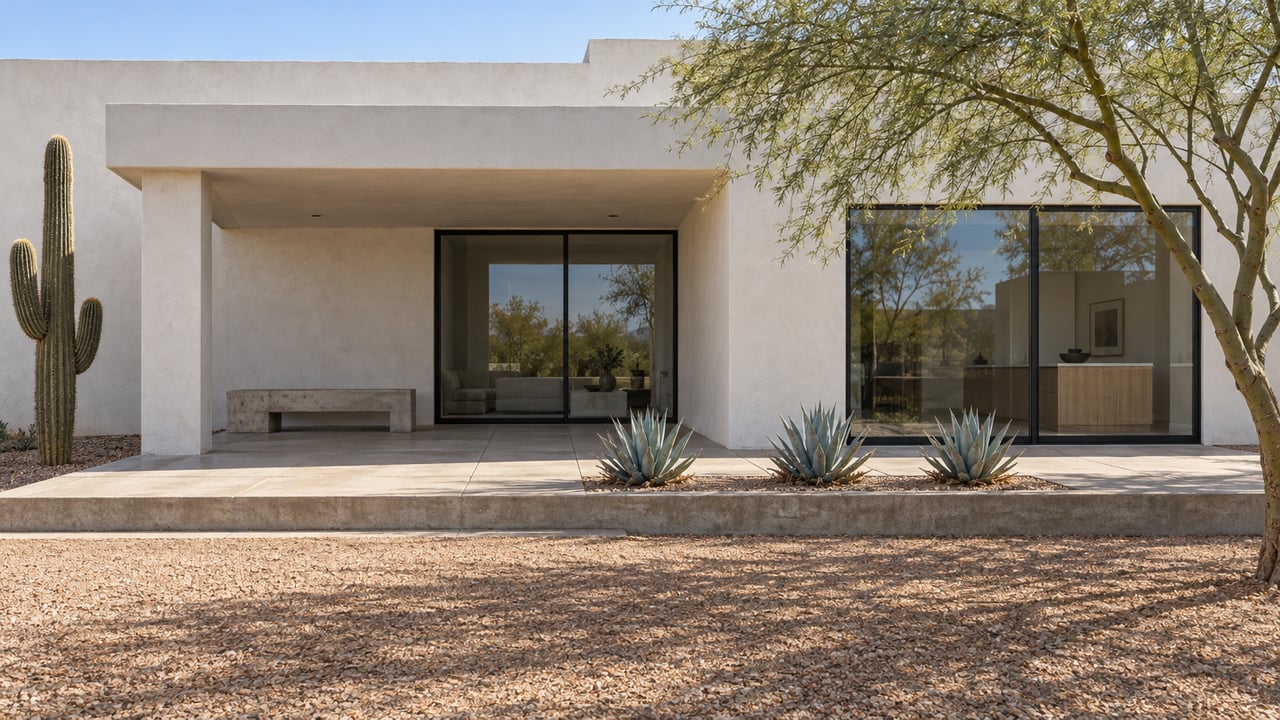
Cave Creek does not have one single look, but it does have a recognizable design vocabulary. Town planning materials emphasize traditional scale and character, native desert vegetation, viewsheds, and natural materials such as wood, metal, stone, and adobe. You can see that guidance in the Town Core Plan.
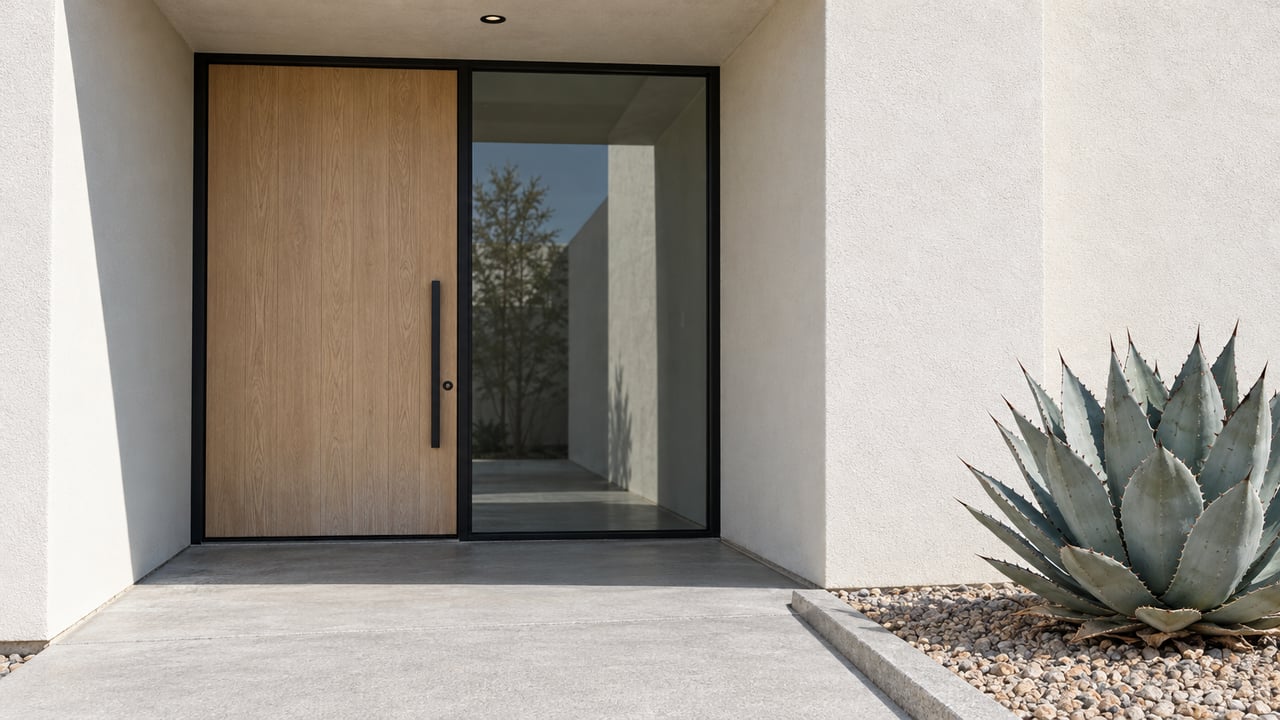
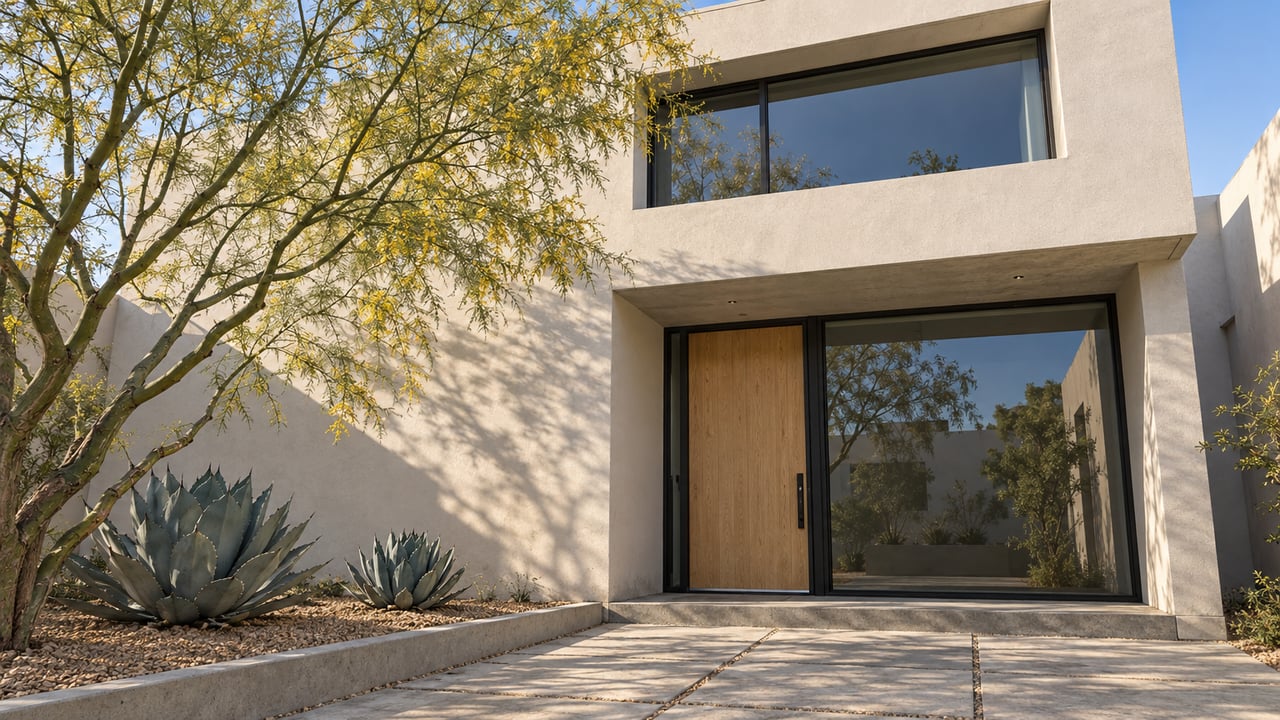
In practical terms, homes in Cave Creek are often described as Southwestern, territorial, hacienda-influenced, ranch, or desert contemporary. Town archive records also reference features such as tiled roofs, weathered steel, rock facing, courtyard entrances, and a strong southwestern feel in past project discussions. That mix helps explain why homes here often feel original rather than mass-produced.
Materials reflect the desert setting
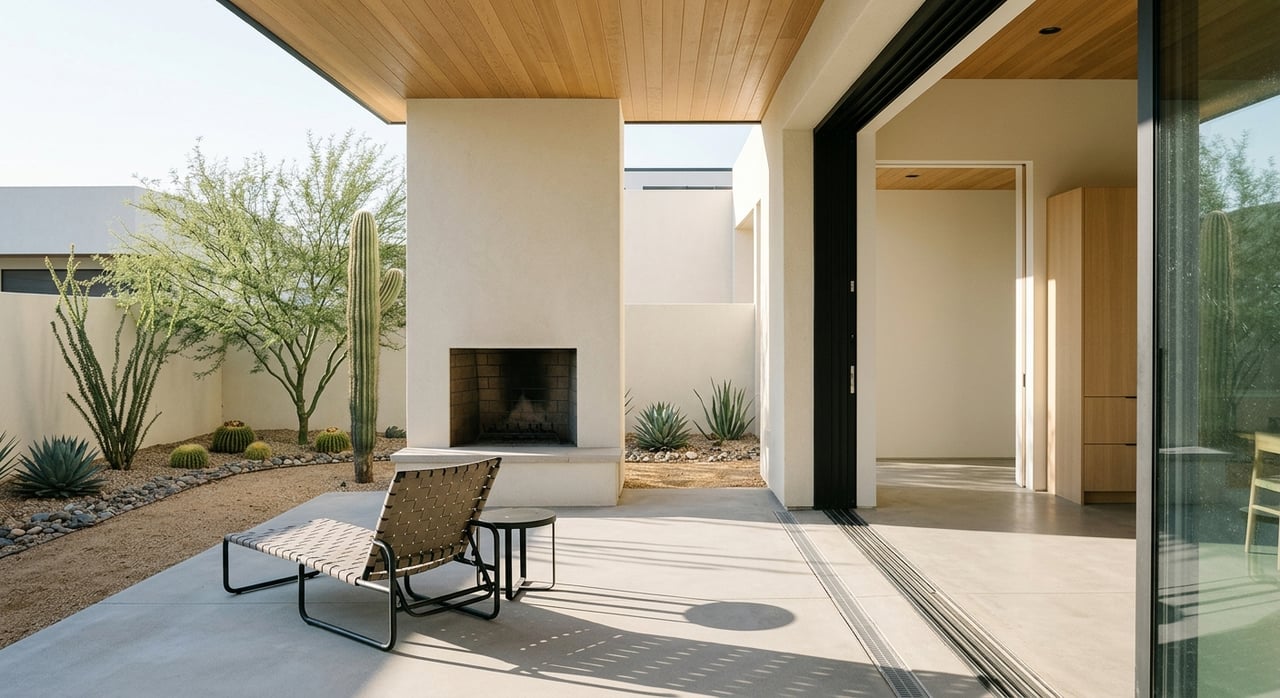
A distinctive Cave Creek home usually looks like it belongs in the desert. Natural textures and earthy finishes tend to feel at home here because they relate to the surrounding landscape. Stone, adobe-inspired surfaces, metal accents, and shaded outdoor elements all fit the setting in a way that feels intentional.
The town’s planning language also favors elements like courtyards, pergolas, and sheltered outdoor seating. Those details are not just attractive. They support the way people actually live in the desert, where shade, airflow, and outdoor comfort matter.
Indoor-outdoor living is a real priority
In Cave Creek, indoor-outdoor living is more than a design trend. It is built into the area’s identity. The town says its character depends in part on broad vistas, the upper Sonoran Desert environment, and outdoor living features tied to local trails, parks, and community life.
The Town Core Plan specifically calls for shade structures, low-water landscaping, and lot design that preserves and maximizes mountain and hillside views. That is why many homes in Cave Creek naturally emphasize patios, courtyards, covered outdoor areas, and view-oriented layouts.
If you are comparing Cave Creek with more traditional suburban communities, this is a major difference. Here, outdoor spaces often function as true living areas, not just decorative backyards.
Desert-friendly design matters here
The best Cave Creek homes are designed with the desert in mind. The town encourages a low-water-use lifestyle, supports native vegetation preservation, and requires native vegetation preservation or revegetation in many Desert Rural settings. You can see that focus in the town’s water conservation resources.
That means homes here often work with the environment instead of fighting it. You may notice more native or low-water landscaping, more shade-conscious design, and a stronger effort to preserve natural desert character on-site. For many buyers, that gives Cave Creek homes a more grounded and authentic feel.
Dark skies add to the experience
One feature buyers do not always think about right away is the night sky. Cave Creek has outdoor lighting rules that require shielded fixtures that cast light downward, prohibit dusk-to-dawn lights, and limit security lighting height. The town says its dark skies and stargazing opportunities are part of what draws people to live there.
That may sound like a small detail, but it has a real impact on how a home feels after sunset. Outdoor spaces can feel calmer, more natural, and more connected to the desert environment. In a region where many communities are brighter and more built out, that is a meaningful point of distinction.
Equestrian and trail access influence the lifestyle
Cave Creek’s homes also stand out because they are tied to a very specific lifestyle. The town notes that horses and livestock are permitted on at least two contiguous acres in Desert Rural zones, which helps preserve the area’s long-standing ranch and equestrian identity. That creates a different rhythm than you find in a more compact suburban setting.
The outdoor orientation goes beyond private property. According to the town’s trails information, local trails connect to Cave Creek Regional Park, Spur Cross Ranch Conservation Area, the Tonto National Forest, and Desert Foothills Land Trust properties. With about 50 miles of non-motorized trails noted in town materials, homes here often feel connected to a bigger landscape, not just a single lot.
The town’s western roots still show up
Cave Creek’s housing character also reflects the town’s history. The town says Cave Creek was founded in 1870 as a mining and ranching community, and that it still maintains a western appearance and charm alongside shopping, galleries, restaurants, and nightlife. You can read more on the town’s history page.
That history helps explain why the area feels more like a desert town with personality than a typical suburban corridor. Even when homes are updated or more contemporary, they often sit within a community identity shaped by western heritage, open land, and a connection to the desert.
Arts and dining support the atmosphere
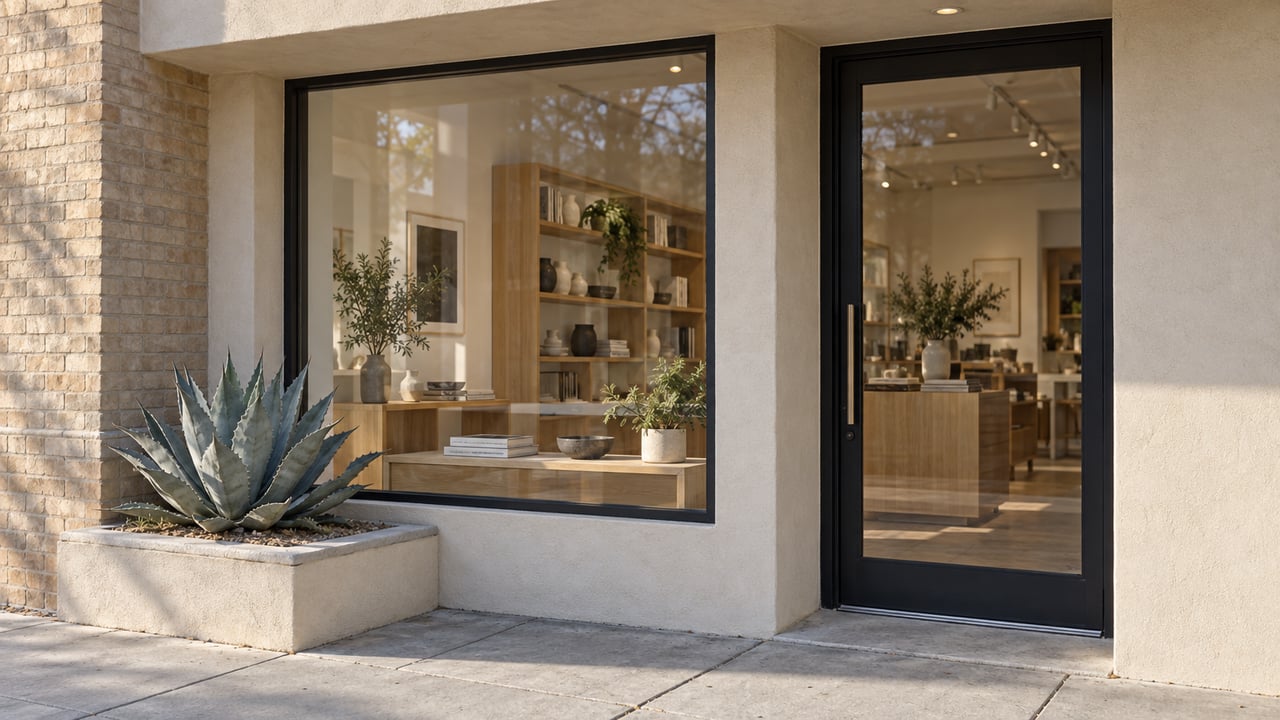
Another thing that makes Cave Creek feel distinctive is what surrounds the homes. For a smaller town, Cave Creek has a visible arts presence, including organizations and galleries highlighted on the town’s arts page. The Town Core Plan also supports theaters, museums, festivals, and public art in the center of town.
Dining adds another layer of character. The town’s dining and café guide highlights everything from cowboy barbecue and southwestern cuisine to cafés, wine bars, and western saloon-style settings. Together, the arts, dining, and walkable core create a setting that feels more like a destination retreat than a standard suburban commercial strip.
Why Cave Creek homes feel so distinctive
When you put it all together, Cave Creek’s desert homes stand apart because the town consistently protects the qualities people move there for. Larger lots, preserved desert edges, custom architecture, dark-sky lighting, trail access, and a western arts-and-dining core all support the same lifestyle story.
So if a Cave Creek home feels different, that impression is probably accurate. The distinction comes from more than architecture alone. It comes from a whole community framework that values open space, natural beauty, privacy, and a close relationship with the desert.
If you are curious about how Cave Creek compares with other Arizona communities, connecting with a local team can help you understand which setting best matches your goals and lifestyle. When you are ready to explore your options, Judy Collins is here to help you take the next step with clear, thoughtful guidance.
FAQs
What makes Cave Creek homes different from typical Phoenix-area suburbs?
- Cave Creek homes often sit on larger lots with more open space, custom design, preserved desert vegetation, and a more rural setting than many suburban neighborhoods.
Why do Cave Creek homes often feel more private?
- Town zoning allows for larger parcels, limited lot coverage, and natural undisturbed edges in many areas, which helps create separation between homes and preserve views.
What architectural styles are common in Cave Creek?
- Homes are often described as Southwestern, territorial, hacienda-influenced, ranch, or desert contemporary, with natural materials and site-responsive design.
How does outdoor living shape Cave Creek home design?
- Many homes emphasize patios, courtyards, shaded seating areas, and view-oriented layouts because local planning encourages outdoor living and preservation of desert views.
Are trails and outdoor recreation part of Cave Creek living?
- Yes. Cave Creek has about 50 miles of non-motorized trails, with connections to regional parks, conservation land, and the Tonto National Forest.
Why are dark skies important in Cave Creek?
- The town regulates outdoor lighting to reduce glare and preserve nighttime visibility, which helps support stargazing and a more natural desert atmosphere.