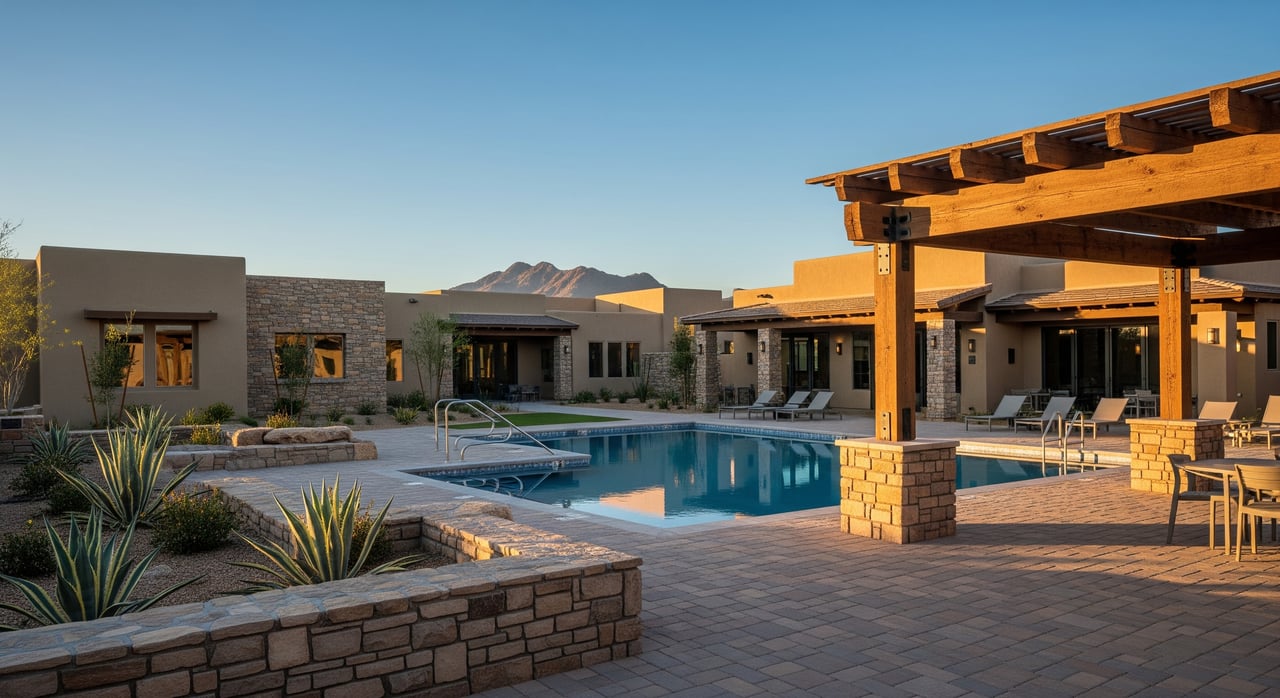
Thinking about a move to Queen Creek and wondering what life is really like inside its master-planned communities? You are not alone. Many buyers come for the space, amenities, and small-town rhythm, then stay for the parks, trails, and local events that make daily life easy. In this guide, you will learn how these neighborhoods function, the types of communities you will find, and what to verify before you buy so you can feel confident in your choice. Let’s dive in.
Where Queen Creek fits in the East Valley
Queen Creek sits at the southeast edge of the Phoenix metro and has grown quickly on the strength of new master-planned neighborhoods. Parts of town extend across Pinal and Maricopa counties, which can affect services and permitting, so it is worth confirming the exact jurisdiction for any home you consider.
Buyers often choose Queen Creek for more elbow room than denser East Valley cities while keeping a reasonable drive to employment hubs in Chandler, Gilbert, and Mesa. Most households rely on cars, and regional road projects like ongoing SR 24 improvements can influence commute patterns over time.
The Sonoran Desert climate shapes how you live here. Summers are very hot with a mid-summer monsoon season, which pushes many activities to pools, splash pads, and indoor recreation. Winters are mild and perfect for neighborhood parks, trail time, and weekend festivals.
What master-planned living looks like
Queen Creek’s master-planned communities are designed for day-to-day convenience and an active lifestyle. You typically find:
- Central parks, family pools, and splash pads
- Community centers or clubhouses with reservable spaces and fitness classes
- Multi-use trail systems that link pocket parks, schools, and nearby regional trails
- Neighborhood retail for groceries, coffee, services, and sometimes medical offices
- On-site or nearby elementary schools
- Homeowners association oversight for architectural standards and common-area care
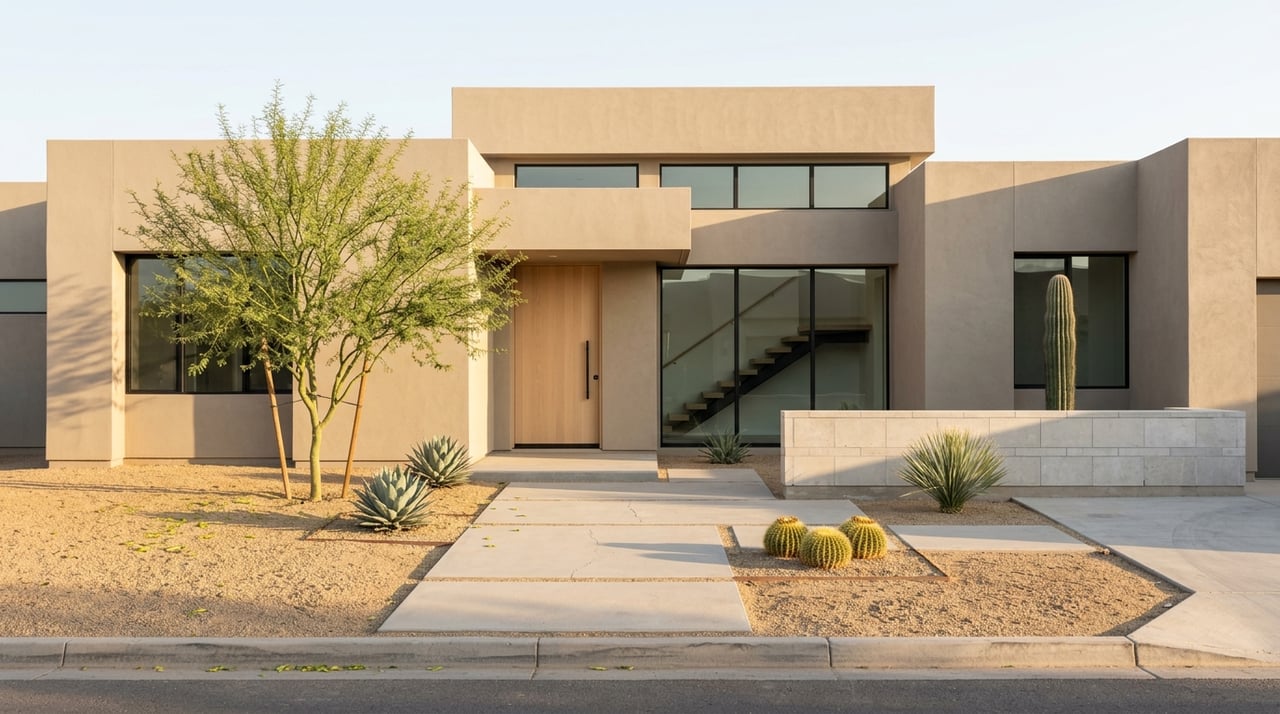
Homes in these communities are usually single-family detached, with a mix of single-level and two-story plans. Three to five bedrooms are common, with attached garages and backyards sized for day-to-day play or entertaining. Exterior styles lean Southwestern and Mediterranean, with some modern farmhouse and contemporary influences.
HOAs are part of the package. Expect rules about exterior colors, front-yard landscaping, and RV or boat parking. Some communities limit short-term rentals, and amenities may have posted hours or reservation systems. If you like a clean, cohesive neighborhood look and the convenience of shared amenities, this setup tends to work well.
Four neighborhood styles you will see
Family-focused master-planned communities
These are the classic Queen Creek neighborhoods many relocating families picture. You get parks and play spaces, multiple pools or a splash pad, and sidewalks and trails that make it easy to move around without getting in the car for every errand. Many include or sit next to an elementary school. The buyer profile here often includes move-up buyers seeking amenities and a community calendar.
What to verify: HOA fees, amenity hours and reservation rules, school assignments and program offerings, and typical lot sizes for your price range.
Active-adult 55 plus resort communities
In and around the Queen Creek area, you will also find age-restricted neighborhoods that prioritize low-maintenance living and social amenities. These often feature single-level homes, resort-style pools, wellness and fitness spaces, and an active calendar. Yards tend to be smaller and easier to maintain.
What to verify: Age restrictions, membership requirements for any private amenities, event schedules, and resale dynamics for 55 plus inventory.
Equestrian and rural estates
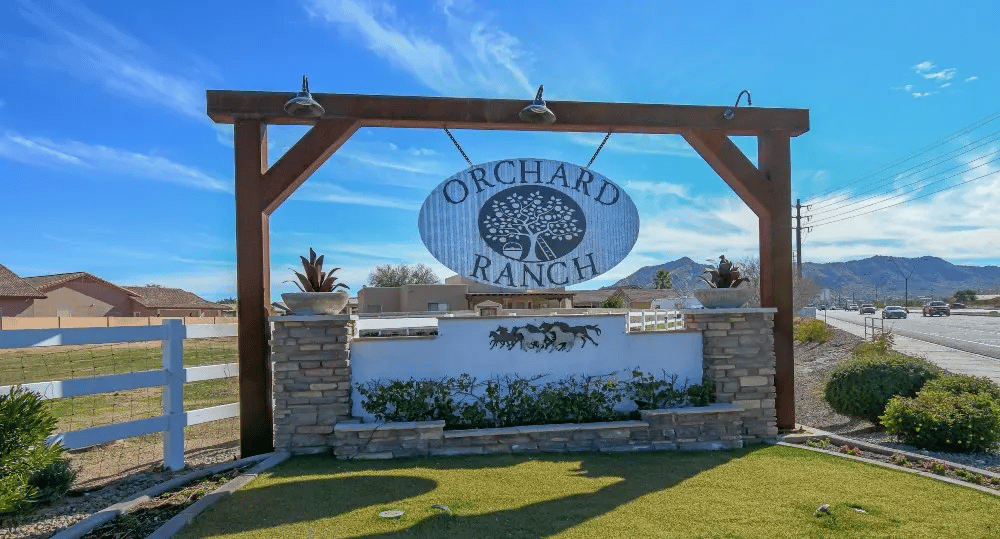
One of the region’s distinguishing features is its horse culture. In the broader Queen Creek area, some neighborhoods offer larger lots, private corrals, and access to multi-use or equestrian trails. Construction can be more custom or semi-custom, with outbuildings and high-desert landscaping.
What to verify: County zoning and jurisdiction, water and septic arrangements where applicable, ranch easements, and any covenants about animals and outbuildings.
Old Town and infill pockets
Closer to Queen Creek’s historic core, you will see a different rhythm. Lot sizes can be smaller, and homes range from older ranch styles to newer infill builds. You are closer to seasonal markets, town events, and local shops that give Queen Creek its small-town identity.
What to verify: Walkability to events and services, parking considerations, and any lot redevelopment rules that may affect future plans.
Daily life in Queen Creek master plans
Recreation and the outdoors
Pools and splash pads get heavy use in summer, and community centers often host indoor programs when the heat is high. Trails tie neighborhoods together for morning and evening walks, runs, and bike rides. San Tan Mountain Regional Park is a popular nearby option for hiking and mountain biking when the weather cools.
Equestrian events are a notable part of the local calendar, with area facilities hosting shows and activities throughout the year. You will often see riders and horse trailers in the area, especially on weekends.
Shopping, dining, and local attractions
Most master plans include or sit near a neighborhood retail corner for daily needs. For weekend fun, many residents head to beloved local staples. Schnepf Farms is known for seasonal festivals and family activities, and Queen Creek Olive Mill offers tastings and events. Larger retail centers in nearby East Valley cities are a short drive when you need a bigger shopping trip.
Schools and services
Many master-planned neighborhoods include on-site elementary schools or direct access to nearby schools. School boundaries and programs change over time, so it is smart to verify current assignments and performance information with the district and school websites before you make an offer.
Commutes and transportation
Most residents drive. Commute times vary by destination and time of day, with many people headed to Chandler, Gilbert, Mesa, or into Phoenix. Keep an eye on regional transportation updates since new or expanded corridors can change travel patterns.
Day-to-day feel
Inside most master plans, interior streets aim to keep through traffic low and focus cars on collector roads, which helps maintain a quieter residential feel. Homes near major arterials or retail corners will naturally see more activity, while areas close to Old Town feel more mixed-use and event driven.
Quick comparison of community styles
| Community type | Typical homes | Lot sizes and maintenance | Amenities and access |
|---|---|---|---|
| Family-focused master plans | Single-family, mix of one and two stories, 3 to 5 bedrooms common | Moderate to family-sized yards, HOA landscaping standards | Pools, splash pads, parks, trail networks, nearby or on-site elementary schools |
| Active-adult 55 plus | Single-level floor plans, low-maintenance designs | Smaller, easier-care yards, some inclusive maintenance programs | Resort pools, fitness, social clubs, event calendars, possible membership requirements |
| Equestrian and rural estates | Semi-custom or custom, space for outbuildings | Larger lots, horse-friendly features, verify water and septic | Access to multi-use or equestrian trails, privacy and space |
| Old Town and infill | Older ranch homes plus newer infill | Smaller lots, closer to shops and events | Quick access to local dining, markets, and seasonal festivals |
What to verify before you buy
Every community is different. Before you write an offer, build a simple checklist and confirm the details that matter most to your lifestyle.
- HOA: Monthly or quarterly dues, special assessments, architectural rules, exterior color and landscaping standards, RV or boat parking, and any short-term rental policies.
- Amenities: Pool and splash pad hours, reservation systems for community rooms, guest policies, and fitness class schedules.
- Schools: Current district and school boundaries, program availability, and transportation options.
- Jurisdiction and utilities: Town of Queen Creek vs unincorporated county, municipal water and sewer vs well and septic, and any county-specific permitting rules.
- Zoning and use: For horse or hobby use, confirm allowed animals, setbacks, and easements. For 55 plus, confirm age restrictions and any associated memberships.
- Commute and roads: Peak-hour drive patterns for your destinations and any planned road projects that could change future times.
How The Collective AZ can help
Choosing the right Queen Creek neighborhood is as much about daily rhythm as it is about the house. You deserve a guided, low-stress process with people who know the area block by block. Our team pairs neighborhood knowledge with a high-touch approach so you can compare communities with clarity.
Here is how we make it easier:
- Neighborhood-first search: We help you shortlist communities that fit your lifestyle, from resort-style amenities to larger-lot living.
- On-the-ground context: We confirm HOA rules, amenity details, and jurisdiction specifics so there are no surprises later.
- Seamless financing: Our in-house lender streamlines pre-approval and timelines, which helps you move decisively when the right home appears.
- Elevated presentation for sellers: If you are selling before buying, our in-house staging and professional media help maximize your home’s market appeal.
Ready to explore your options and feel confident about the move? Reach out to Judy Collins for a friendly, local conversation about your must-haves and timeline. We will help you compare neighborhoods, tour homes, and land on a plan that fits your life.
FAQs
What does daily life feel like inside Queen Creek master-planned communities?
- Expect easy access to parks, pools, and trails, car-based errands to nearby retail centers, and a steady calendar of neighborhood and town events that make it simple to connect.
How do HOA rules usually work in Queen Creek neighborhoods?
- HOAs typically manage architectural standards, front-yard care requirements, amenity hours, and parking policies, so review the CC&Rs and fee schedule before you buy.
Are there 55 plus communities near Queen Creek and what should I check?
- Yes, the area includes age-restricted options; verify age rules, any membership or fee requirements for amenities, and the community’s event calendar and services.
Can I keep horses in or near Queen Creek?
- Some neighborhoods support horse-keeping and larger lots, but you must confirm county zoning, allowed animal counts, water and septic setups, and any easements.
What are the main outdoor options for residents?
- In addition to community parks and trails, residents enjoy nearby hiking and biking at regional parks, plus equestrian events and seasonal outdoor activities.
What should I compare when choosing between master-planned communities?
- Line up HOA fees and rules, school access, amenity quality, lot sizes, commute patterns, and proximity to the shops and services you plan to use most.