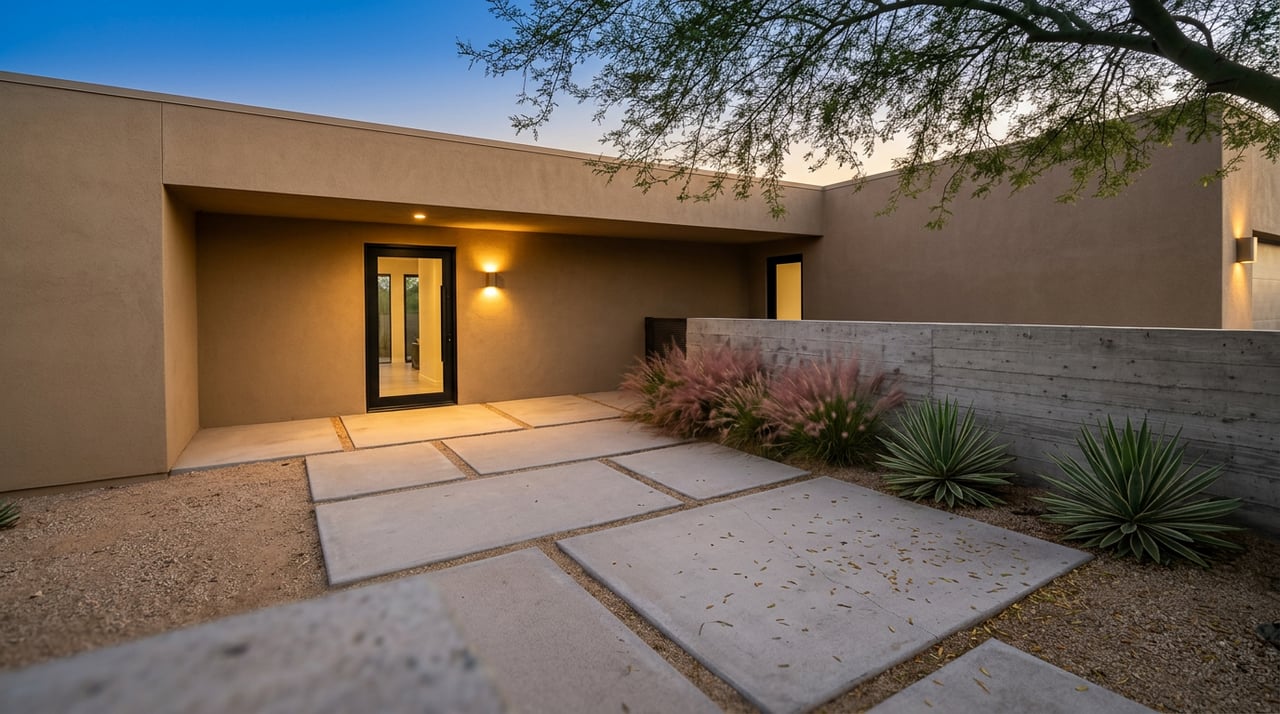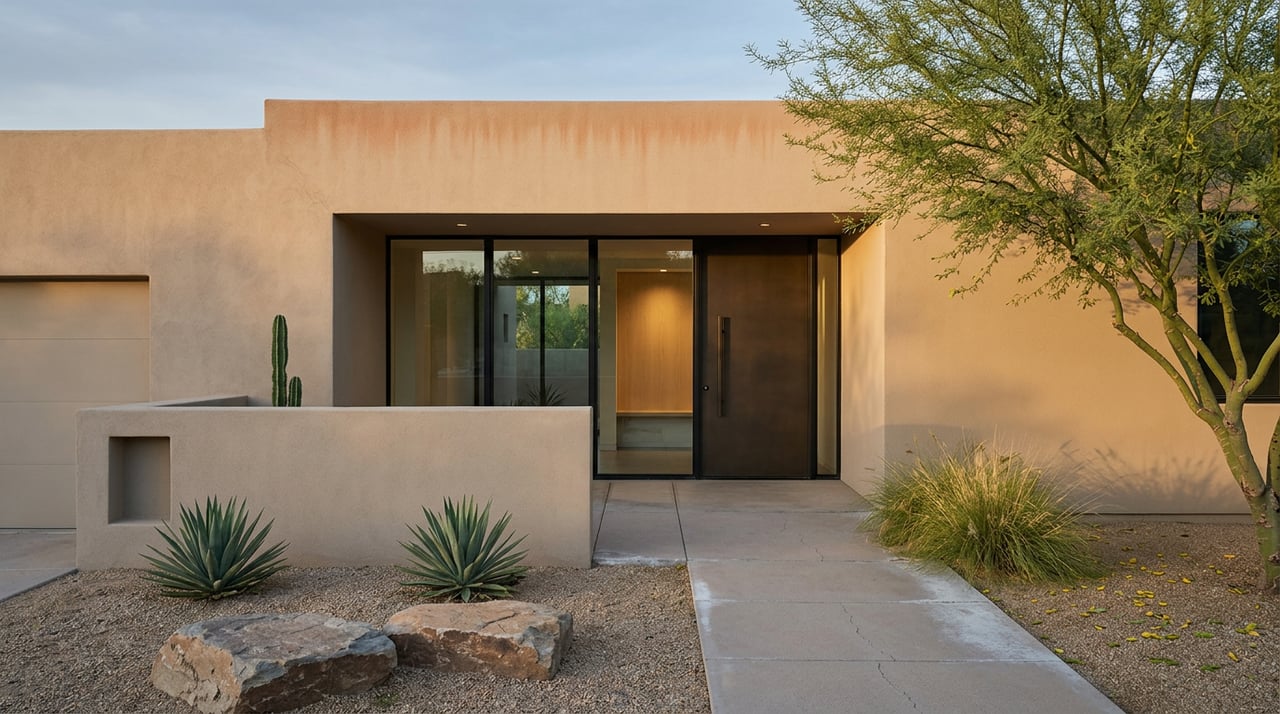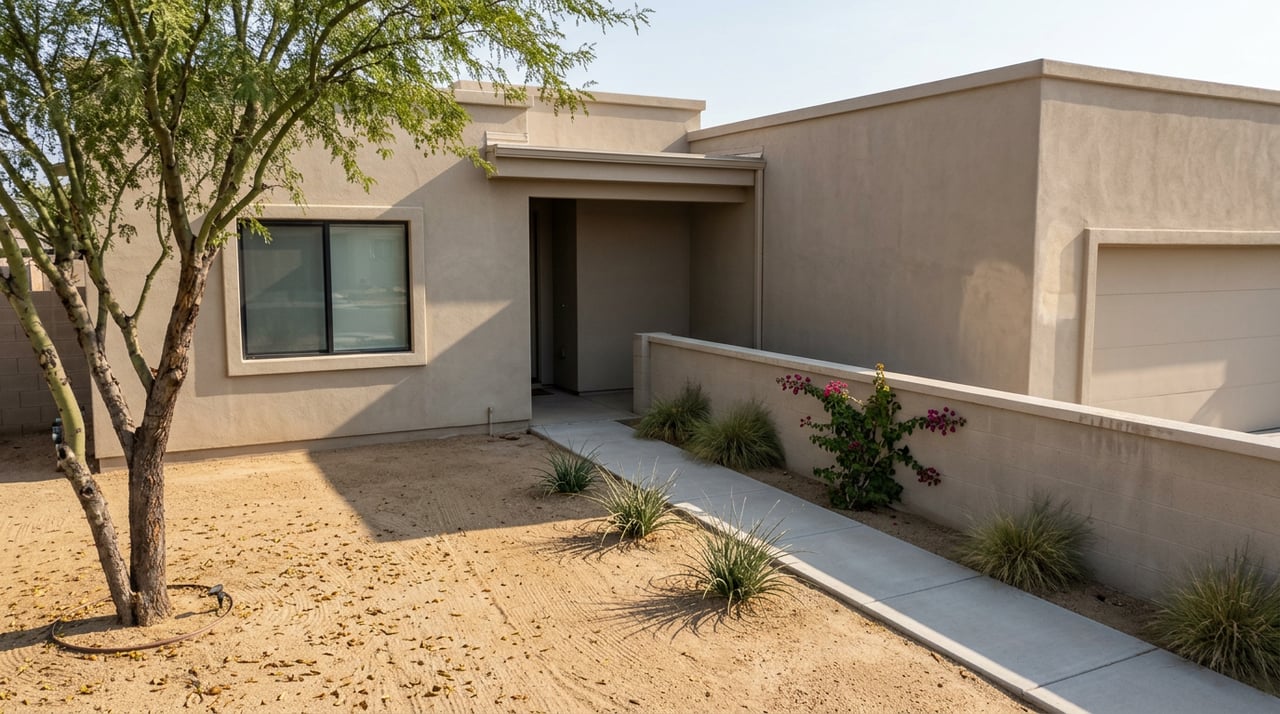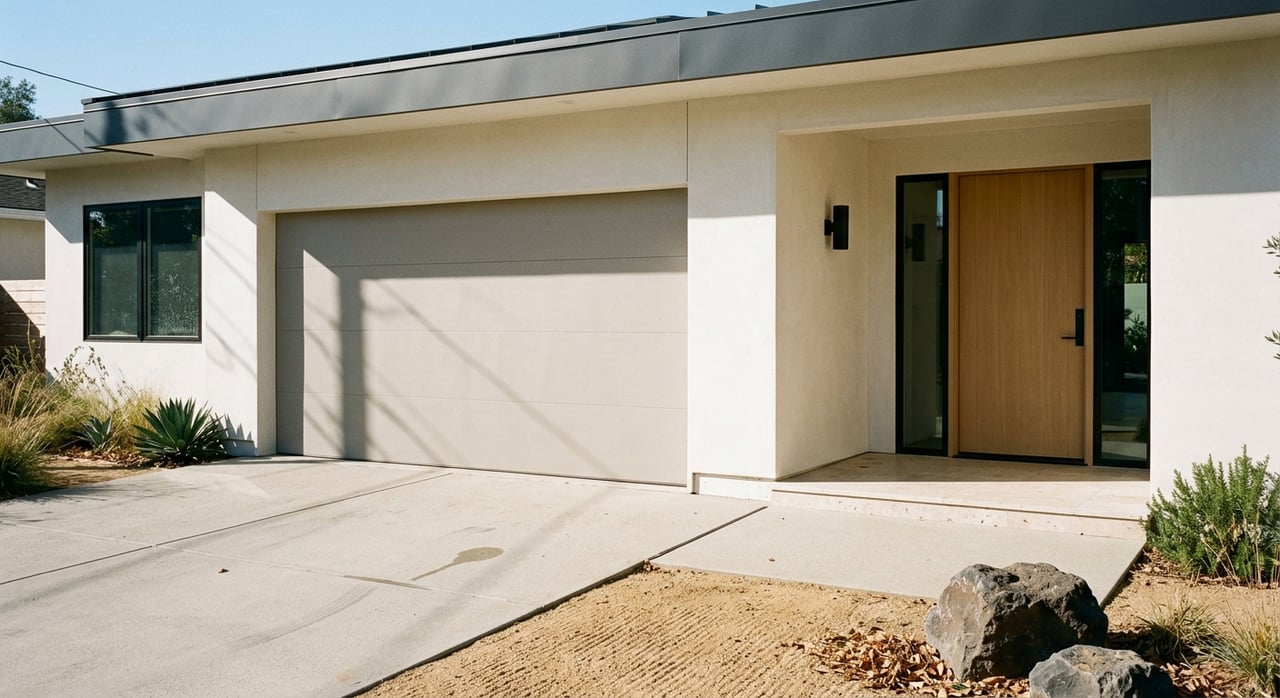
You can find a home in Chandler that looks polished online and still miss the details that matter most to your bottom line. If you are searching for a turnkey investment property, you want more than fresh paint and nice photos. You want a home that can be leased quickly, with fewer surprises and less immediate spending. Let’s break down how to spot a truly rent-ready property in Chandler.
What turnkey means in Chandler
In practical terms, a turnkey investment property in Chandler is one that can be rented out quickly with minimal upfront work after closing. That means the home should be functionally sound, safe, and ready for everyday use, not just cosmetically appealing.
A good working standard is simple: the major systems should operate properly, the home should be clean and secure, and you should not need a large repair budget right away. In Chandler, that usually means looking closely at the roof, HVAC, plumbing, electrical, water heater, appliances, windows, doors, flooring, paint, and landscaping.
Why Chandler draws investor interest
Chandler offers a broad housing mix, which gives investors more than one path to consider. The city has more than 112,000 housing units, with about 71.7% single-family homes, 20.9% apartments, and 5.5% condos. That creates opportunities across detached homes and lower-maintenance attached properties.
The city also has a strong local profile for access and amenities. Chandler highlights major freeway access, a strong business environment, parks, recreation, shopping, and neighborhood features like green belts and bike connections. For long-term renters, those everyday lifestyle factors can matter just as much as the home itself.
Chandler is also a large East Valley city with an estimated 2024 population of 281,231. Census data shows a median household income of $108,095, a 65.0% owner-occupied rate, and a median gross rent of $1,902. That backdrop helps explain why well-kept, low-maintenance homes often stand out in this market.
Start with the major systems
When you evaluate a property, begin with the items that are expensive to replace or repair. A home may feel updated on the surface, but hidden issues with the roof, cooling system, plumbing, or electrical can quickly change your budget.
Focus on whether the home appears ready for immediate use without major capital work. If the roof is near the end of its life, the HVAC is aging poorly, or plumbing and electrical show signs of deferred maintenance, the property may not be truly turnkey.
Check the roof and exterior
In Chandler, exterior condition matters because sun exposure and heat can wear materials over time. Look for visible signs of damage, worn surfaces, neglected trim, or areas that suggest ongoing maintenance will be higher than expected.
You should also pay attention to the yard and irrigation setup. The Arizona Department of Real Estate recommends confirming that irrigation operates properly, which is especially important if the property has landscaping that could become expensive or time-consuming to maintain.
Review HVAC, plumbing, and electrical
A working cooling system is essential in the East Valley. If the HVAC system is outdated, poorly maintained, or not cooling effectively, that is a major red flag for a rental property.
Plumbing and electrical should also function as expected from day one. Run water, test fixtures, and look for signs of leaks, corrosion, or amateur repairs. The Arizona Department of Real Estate buyer checklist specifically advises buyers to confirm that water runs and that core systems are working properly.
Don’t overlook the water heater and appliances
A rent-ready home should have reliable basics in place. That includes a functioning water heater and working appliances that support immediate occupancy.
Before you label a property turnkey, verify that appliances work as they should. A home that needs a new refrigerator, washer, or range right after closing may still be investable, but it is not as turnkey as the listing may suggest.
Look past cosmetic updates
New flooring, modern fixtures, and fresh interior paint can make a home show well, but those upgrades should not distract you from the bigger picture. Cosmetic improvements help with renter appeal, but they do not replace sound systems and solid maintenance.
A truly turnkey property usually has both. It looks clean and updated, and it also feels well cared for where it counts. Secure windows and doors, clean flooring, simple finishes, and neutral paint are all positive signs, but they should support the property’s condition, not hide problems.
Favor simple, low-upkeep finishes
For many investors, the best turnkey homes are the ones that are easy to maintain between tenants. Durable flooring, clean paint, and practical landscaping can reduce turnover costs and make routine upkeep easier.
This matters in Chandler, where many renters may value convenience and everyday livability. A home with attractive but manageable features can often perform better over time than one with high-maintenance materials or heavy landscaping demands.
Run the numbers carefully
One of the biggest mistakes investors make is assuming that a clean, move-in-ready home will automatically produce strong cash flow. In Chandler, current price and rent levels suggest you need to look closely at the full monthly carry, not just the expected rent.
Recent market snapshots place Chandler home values and sale prices in the mid-$500,000s. Zillow reported an average home value of $524,013 and a median list price of $529,667 as of April 30, 2026, while Redfin reported a March 2026 median sale price of $531,000. Reported rent figures are around $1,800 to $1,900, including Zillow’s average rent of $1,871 and Realtor.com’s median rent of $1.8K.
That spread means gross yield is modest before financing and operating costs. Your cash flow will likely depend heavily on your purchase price, financing terms, HOA dues, insurance, taxes, and maintenance planning.
Include the real monthly costs
When you evaluate a Chandler investment property, make sure your budget includes the expenses that commonly come with residential rentals. These may include maintenance, insurance, property taxes, interest, and HOA dues where applicable.
Closing costs should also be part of your upfront plan. The Consumer Financial Protection Bureau says closing costs commonly run about 2% to 5% of the purchase price, and your down payment can affect both your loan type and your monthly payment.
If you put less than 20% down on a conventional loan, you may also face private mortgage insurance. That is why it helps to model the property with a lender or financial professional before deciding that a home is truly turnkey from an investment standpoint.
Verify taxes on the actual parcel
Do not rely on averages when estimating property taxes. Maricopa County property tax bills can include county, city, school district, special taxing district, and state levies, so the actual tax bill can vary from one parcel to another.
That detail matters for your monthly carry. A property may look workable at first glance, but the real tax bill can change the numbers in a meaningful way.
Understand Chandler rental tax changes
There is one local detail investors should know. Chandler states that effective January 1, 2025, the city no longer imposes TPT on income from residential rentals.
Short-term rentals are treated differently and still require separate licensing and remain taxable. If your plan is a standard long-term rental, that distinction can affect how you forecast ongoing costs.
Study the HOA before you buy
In Chandler, many homes are located in neighborhoods with active homeowner associations. That can affect monthly costs, rental rules, disclosure requirements, and even practical details about how the property can be used.
This is one of the easiest places to make a costly mistake. A home may check every physical box for turnkey status, but if the HOA creates restrictions that do not fit your strategy, the investment may not work the way you expect.
Review the full HOA document package
Arizona law requires planned-community HOAs to provide important resale disclosures. These can include CC&Rs, bylaws, assessment and reserve information, insurance status, reserve studies if available, and summaries of pending litigation.
For an investor, that package is essential due diligence. It helps you understand both the current costs and the rules that may shape future leasing, ownership costs, and property upkeep expectations.
Watch for rental restrictions and added costs
The Arizona Department of Real Estate advises buyers to review taxes, assessments, community facilities, local services, and CC&Rs carefully. These documents may include restrictions that affect landscaping, parking, exterior use, or other property details that could matter during a lease.
Arizona law also limits what an HOA can require from landlords about tenants. In many cases, the HOA may request adult names and contact information, lease dates, and vehicle details, and fees for rental disclosures are capped. Even so, you still need to know the process before you close.
Pay attention to renter appeal
A turnkey investment property is not just about what is inside the home. In Chandler, neighborhood access and surrounding amenities can play a major role in long-term rental demand.
The city maintains more than 60 parks, along with broad recreational amenities and a bicycle-friendly network. Chandler also highlights neighborhood features such as green belts, parks, and nearby everyday conveniences. Those factors can make a property more appealing to renters who want a comfortable, low-friction lifestyle.
That does not mean every amenity carries the same value for every renter. It simply means you should look at the full living experience, not just the kitchen photos.
A simple turnkey checklist for Chandler
If you want a quick way to screen properties, start with this list:
- Confirm the rent estimate against your full monthly carrying costs
- Inspect the roof, HVAC, plumbing, electrical, water heater, and appliances
- Test that water runs and irrigation operates properly
- Review HOA rules, reserves, assessments, and rental restrictions
- Verify the actual property tax bill for the parcel
- Check whether the landscaping is simple and low maintenance
- Decide whether the home fits a long-term rental strategy or another exit plan
A property that clears these checkpoints is much closer to true turnkey status than one that simply looks updated online.
Why due diligence matters most
In a market like Chandler, a turnkey property is rarely defined by looks alone. It is defined by how quickly the home can be leased, how predictable the near-term costs are, and how well the property fits your investment strategy.
That is why careful review matters so much. The best opportunities are often the homes that combine solid condition, manageable upkeep, clear HOA terms, and numbers that still make sense after you account for the real costs of ownership.
If you are comparing investment options in Chandler and want local guidance grounded in the East Valley market, Judy Collins can help you evaluate neighborhoods, property condition, and the details that turn a promising listing into a smart purchase.
FAQs
What makes a Chandler home turnkey for investors?
- A turnkey Chandler investment property is generally one that can be leased quickly with minimal immediate repairs or capital spending, with key systems, appliances, and basic safety and security features already in working order.
What should you inspect first in a Chandler rental property?
- Start with the roof, HVAC, plumbing, electrical, water heater, appliances, windows, doors, and irrigation, because those items are often the most important for immediate livability and early repair costs.
How do HOA rules affect Chandler investment properties?
- HOA rules can affect monthly costs, rental procedures, property use, and upkeep standards, so you should review the CC&Rs, assessments, reserve information, and any rental-related disclosures before closing.
Are Chandler investment properties good for cash flow?
- Chandler rent and home price data suggest that cash flow can be tight unless the purchase price, financing, taxes, insurance, HOA dues, and maintenance costs all work together in your favor.
Do Chandler landlords pay city tax on residential rent?
- Chandler states that as of January 1, 2025, the city no longer imposes TPT on income from residential rentals, though short-term rentals still require separate licensing and remain taxable.