Wondering what it’s really like to live in Tempe when you want a little city energy without giving up neighborhood comfort? That’s a common question, especially if you’re comparing East Valley areas and trying to picture your everyday routine, not just a map pin. The good news is that Tempe offers a layered lifestyle with walkable urban pockets, historic areas, park access, and quieter residential zones all within one city. Let’s take a closer look at how everyday life feels across Tempe’s urban-suburban neighborhoods.
Tempe blends city and neighborhood life
Tempe stands out because it is not just one kind of place. The city organizes itself through eight character areas, shaped by canals, freeways, light rail, and city borders, while planning for growth that still supports livability and strong pedestrian, bike, and transit connections.
For you, that means daily life can look very different depending on which part of Tempe you choose. You might live near a denser, active core with short trips and plenty going on, or in a more residential area where parks, local services, and neighborhood gathering spots shape the rhythm of the week.
The city’s planning also points toward a 20-minute City approach. In practical terms, that supports the idea that many daily needs and destinations can be reached with shorter trips, especially in central areas.
Getting around Tempe day to day
One of Tempe’s biggest lifestyle advantages is how many ways you can move around. The city’s transportation system includes buses, rail, bicycle facilities, and pedestrian connections, and the Tempe Streetcar links downtown Tempe with neighborhoods, business centers, and regional destinations along Mill and Ash avenues.
If you picture your ideal day as a mix of convenience and flexibility, Tempe makes that easier in many areas. In central parts of the city, everyday routines may include walking to lunch, biking on canal paths, or using transit to reach downtown, Arizona State University, or Tempe Town Lake.
That does not mean every neighborhood feels the same or that every resident lives car-free. It does mean Tempe has built a framework where short, connected trips are a real part of daily life, especially near the urban core and major transit corridors.
Downtown Tempe feels most urban
If you want the strongest city feel in Tempe, downtown is usually where that starts. The Mill Avenue area and the ASU-adjacent core are the most urban-feeling parts of the city, with an environment shaped around active sidewalks, short blocks, narrow storefronts, shade, and street trees.
This part of Tempe centers on a lively mix of dining, shopping, culture, and university activity. If you enjoy being close to events, restaurants, and a more pedestrian-oriented setting, downtown can offer that energy in a way that feels distinct from more suburban East Valley neighborhoods.
Downtown is also changing, not standing still. The city is working through a Downtown Historic Core Plan intended to preserve historic character while guiding new growth, which reflects Tempe’s larger balancing act between identity, walkability, and development.
Historic pockets add character
Tempe’s urban-suburban mix is not only about density. It is also about the built character you experience from one area to another, including older residential pockets that bring a different feel than newer mixed-use districts.
Historic-preservation records point to early 20th-century bungalow and adobe homes in older neighborhoods such as Maple-Ash. That gives some central neighborhoods a more established, human-scale setting that can feel very different from larger suburban tracts or newer apartment-centered development.
If neighborhood character matters to you, this variety is part of Tempe’s appeal. You are not choosing between only one architectural style or one lifestyle pattern.
North Tempe offers outdoor access
Papago and North Tempe feel different from the downtown core. The city describes this area as a mix of single-family and multi-family homes, office, commercial, institutional, industrial, open space, and recreational land uses.
What often stands out here is the access to outdoor destinations. Papago Park, Rolling Hills Golf Course, Indian Bend Wash, Evelyn Hallman Park, and canal-side multi-use paths help create a setting where city services and recreation sit close together.
For you, that can translate into a lifestyle that feels connected but a little less intense than downtown. If you like having trails, open space, and recreation woven into your week, North Tempe may feel especially appealing.
South Tempe feels more residential
South Tempe generally reads as more suburban and neighborhood-centered. Planning for Corona and South Tempe emphasizes destination restaurants, outdoor dining, pedestrian-scaled retail, and social gathering spaces.
The Kiwanis and The Lakes area also reflects a more local, residential pattern. City planning highlights neighborhood gathering places, commercial areas, local goods and services, and streetscape design that supports day-to-day neighborhood life.
Southwest Tempe adds another layer with parks, activity centers, and canal trails. Altogether, these areas tend to feel more rooted in residential routines and local convenience than in nightlife or high-density urban activity.
Housing supports different lifestyles
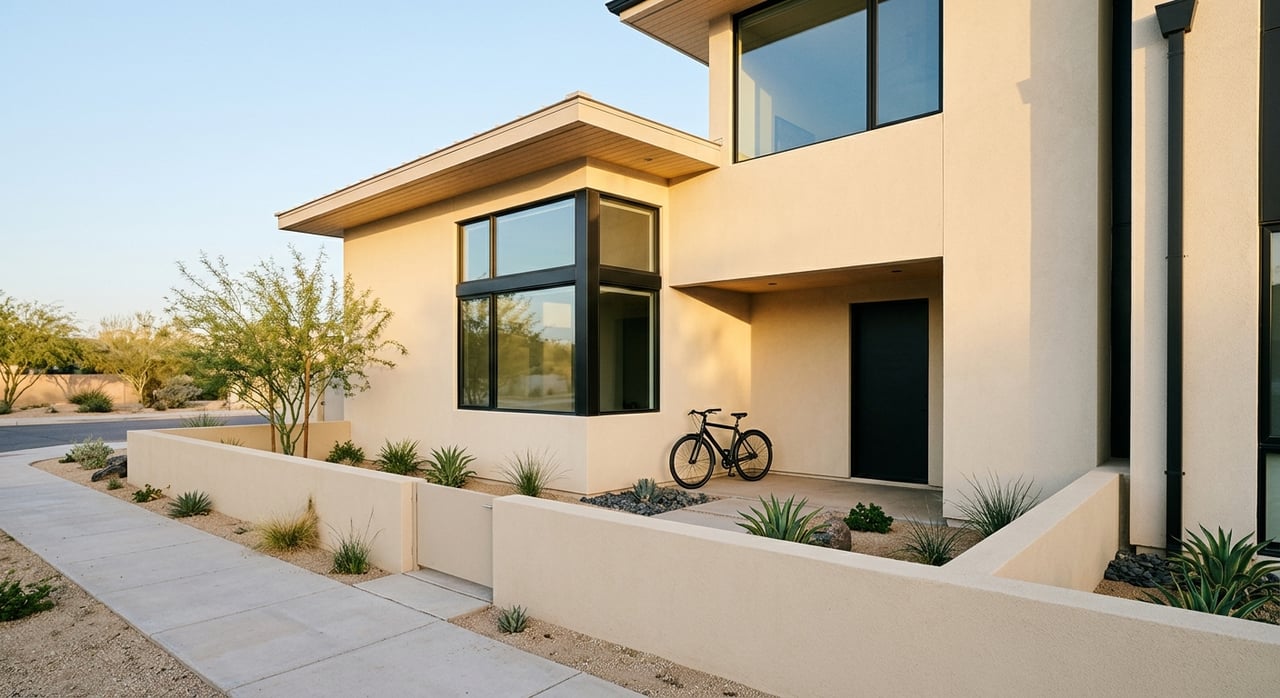
A big reason Tempe can feel both urban and suburban is its housing mix. City residential plan review covers single-family homes, duplexes, and townhomes, while central Tempe also includes mixed-use development that blends residential and commercial uses in the same project.
That mix supports very different ways of living. You may find compact, denser living arrangements in the core, while outer neighborhoods are more likely to line up with a traditional residential feel.
This range can be helpful if you are relocating and still narrowing down what matters most. Some buyers want a lock-and-leave lifestyle near activity, while others want a neighborhood-oriented setting with a quieter daily pace.
Parks shape everyday routines
In Tempe, parks and open space are not just nice extras. They are a meaningful part of how many people experience the city on a regular basis.
The parks system is spread across neighborhoods, which helps balance denser urban areas with room to walk, gather, and recharge. That can make a big difference if you want access to outdoor space without having to leave the city for it.
Tempe Town Lake is one of the clearest examples of this lifestyle blend. The lake supports walking and biking paths, boating, events, and nearby destinations like Tempe Beach Park and the Tempe Center for the Arts, giving residents a signature waterfront routine that is unusual in the East Valley.
Neighborhood life still feels personal
Even with all its movement and mixed-use growth, Tempe is not just a place of major corridors and busy destinations. The city also supports neighborhood associations and neighborhood services, which helps explain why many areas feel community-driven rather than anonymous.
That matters if you are looking for a city that still feels personal. You can have access to transit, parks, business districts, and university energy while still living in an area where neighborhood identity plays a visible role.
In day-to-day terms, that often shows up in the way people use local parks, gathering spaces, trails, and community-serving commercial areas. It is one more reason Tempe tends to feel more layered than a simple college-town label suggests.
What Tempe lifestyle may suit you
If you are deciding whether Tempe fits your lifestyle, it helps to think about how you want your week to feel. Do you want walkable blocks, transit options, and activity close by, or are you looking for parks, local conveniences, and a more residential pace?
Tempe gives you a real mix of both. Downtown and the ASU-adjacent core lean urban, Papago and North Tempe blend city access with outdoor assets, and South Tempe tends to offer a more neighborhood-focused suburban feel.
That range is what makes Tempe one of the East Valley’s more flexible places to call home. You can often find a setting that matches your routine without giving up the broader benefits of living in the same city.
If you are exploring Tempe as part of a move in the East Valley, having neighborhood-level guidance can make the search much clearer. When you’re ready to talk through the areas that best match your lifestyle, reach out to Judy Collins for personalized, local insight.
FAQs
What is everyday life like in Tempe, AZ?
- Everyday life in Tempe is a mix of urban energy and neighborhood comfort, with downtown activity, transit-connected corridors, parks, trails, and more residential areas all within the city.
Which parts of Tempe feel most urban?
- Downtown Tempe, Mill Avenue, and the ASU-adjacent core generally feel the most urban, with active sidewalks, short blocks, dining, shopping, and a pedestrian-oriented setting.
Which parts of Tempe feel more suburban?
- South Tempe, including areas referenced in the city’s Corona, Kiwanis, The Lakes, and Southwest Tempe planning, tends to feel more residential and neighborhood-centered.
Is Tempe easy to get around without driving everywhere?
- In many parts of Tempe, especially central areas, the network of buses, rail, bicycle facilities, pedestrian connections, and the Tempe Streetcar can support shorter daily trips.
Does Tempe have a variety of housing types?
- Yes. Tempe includes single-family homes, duplexes, townhomes, historic homes in some older neighborhoods, and mixed-use development in central areas.
What role do parks play in Tempe neighborhoods?
- Parks and open space are a major part of daily life in Tempe, with neighborhood parks, canal paths, Papago-area recreation, and Tempe Town Lake all contributing to the city’s lifestyle appeal.